Explore the top Patch My PC alternatives for patch management in 2026. Compare features, pros, cons, pricing models, deployment types, and best-fit use cases to choose the right platform for your IT environment.
Server patching is the process of applying software updates, security fixes, and performance improvements to operating systems, applications, firmware, and security tools running on servers. This guide explains server patching fundamentals, benefits, risks, best practices, compliance requirements, and modern automation strategies.
Unified Endpoint Management helps organizations manage, secure, monitor, and support all endpoint devices from one centralized platform. This guide explains what UEM is, how it evolved from MDM and EMM, its core features, security value, compliance use cases, challenges, and best practices.
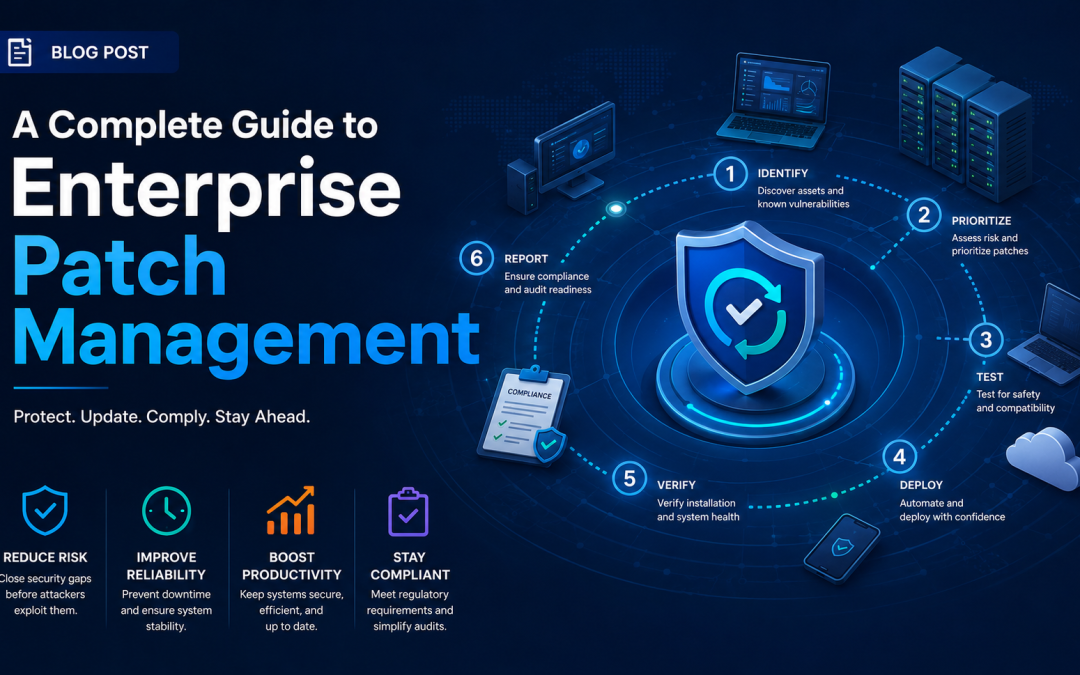
Patch management and vulnerability management are often confused, but they serve different roles in cybersecurity. This guide explains their definitions, lifecycles, and key differences, and shows how combining both creates a stronger, risk-driven security program.
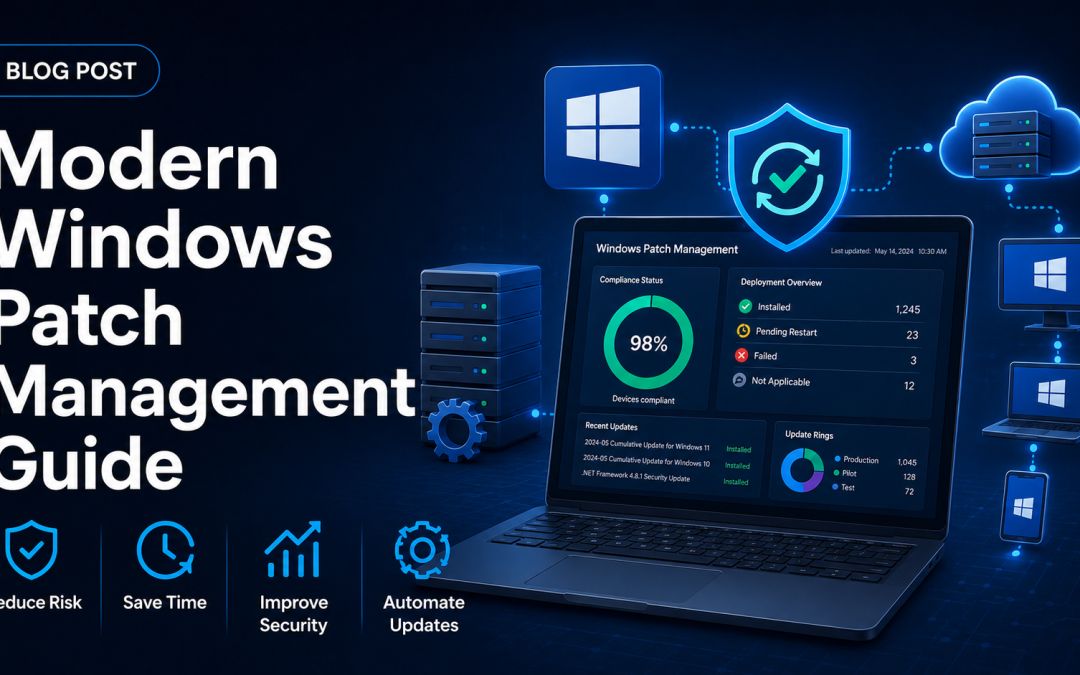
macOS patch management ensures Mac devices stay secure and up to date by systematically identifying, testing, and deploying software updates. While manual patching may work for small environments, enterprises rely on automated solutions to manage large fleets efficiently, reduce vulnerabilities, and maintain compliance. A structured approach—including scanning, testing, deployment, and rollback—helps organizations minimize risks, improve system stability, and streamline IT operations.
OT patch management is critical for securing industrial control systems without disrupting operations. This guide explains how to identify vulnerabilities, prioritize patches using risk-based context, and deploy updates safely across complex OT environments while maintaining compliance and uptime.
Looking for the best endpoint management software in 2026? This guide compares the top platforms, including Action1, Microsoft Intune, HCL BigFix, and NinjaOne, covering features, pricing, benefits, and how to choose the right solution for your business.
Not all patch management tools are created equal. This comparison of Action1, Heimdal, and Patch My PC breaks down their features, automation, security, and use cases to help you choose the right platform.
Managing Action1 Agent updates in Intune can be repetitive and time-consuming. This integration automates the entire process—checking for new versions, updating apps only when needed, and keeping your environment clean without manual effort.
Choosing between Action1 and ManageEngine Endpoint Central Cloud or On-Prem depends on your infrastructure, security needs, and deployment model. This comparison breaks down patch management, software deployment, reporting, compliance, pricing, and scalability to help IT teams find the best endpoint management platform.
In this issue: April 2026 Patch Tuesday highlights, actively exploited vulnerabilities in web browsers, Cisco, Ivanti, Fortinet, F5 BIG-IP, Nginx UI, Oracle, HPE, MongoDB Server, and many more.
Automate patch management and vulnerability remediation with Qualys and Action1 to quickly identify risks, deploy fixes, and secure endpoints with less manual effort
Endpoint security and patch management are critical for reducing cyber risk and maintaining compliance. This comparison of Action1, ManageEngine Patch Manager Plus, and Ivanti Neurons breaks down their capabilities, automation, and key differences to help you choose the right platform.
Managing patches and software deployment across multiple endpoints is essential for maintaining security, compliance, and operational efficiency. In this comparison of Action1, PDQ Connect, and PDQ Deploy & Inventory, we break down their core capabilities, deployment models, automation features, and ideal use cases to help you choose the right solution for your IT environment.
Compare Action1, Atera, and SuperOps to see how they stack up on patch management, automation, pricing, and remote monitoring. This guide breaks down their core features, strengths, limitations, and ideal use cases to help you choose the right platform for your organization.
Compare Action1, ManageEngine Endpoint Central, and Microsoft Intune to see how they handle patching, security, automation, and endpoint visibility. This guide breaks down their features, pricing, and use cases to help you choose the right endpoint management solution for your organization.
In this issue: March 2026 Patch Tuesday highlights, critical or actively exploited vulnerabilities in web browsers, Cisco, Apple, Rapid7, Red Hat, Fortinet, SolarWinds, and many more.
Linux server patch management is the process that protects your systems from cyberattacks, fixes bugs, improves their performance, and keeps them compliant with regulatory standards. It works by identifying, testing, deploying, and verifying software patches across your servers.
Action1 earned a spot among G2’s fastest-growing products in the 2026 Best Software Awards, fueled by hundreds of verified reviews and rising demand for autonomous patch management
For Action1, the numbers from 2025 tell a clear story. Over the past twelve months, revenue grew by 127% year over year, customer retention reached 98%, and the number of customers with ARR over $100,000 increased by 233%.